
Location
Platformer Capstone
The grand assembly. Take the player, the juice, and the traps you built and wire them into one complete, shippable platformer: death and checkpoints, a data-driven goal and level flow, four tilemap levels with a drifting cloud sky, a music autoload that fades and ducks, screen transitions, and a real shell with a main menu, options, pause, and a win screen that ranks your run and leads back to the title. The finished project in the download is your reference; the course's version adds that return to the title.
8
Lessons
797
XP Reward
Intermediate
Difficulty
No videos to zone out to. You write the code yourself in the browser, and Code Checks show what your code passed as you go.
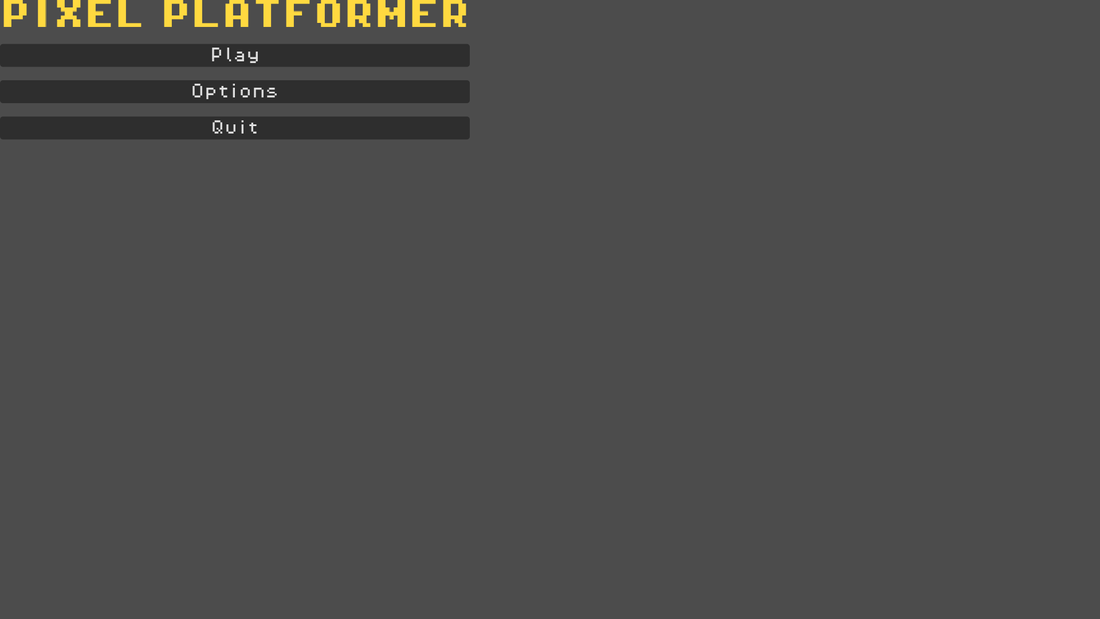
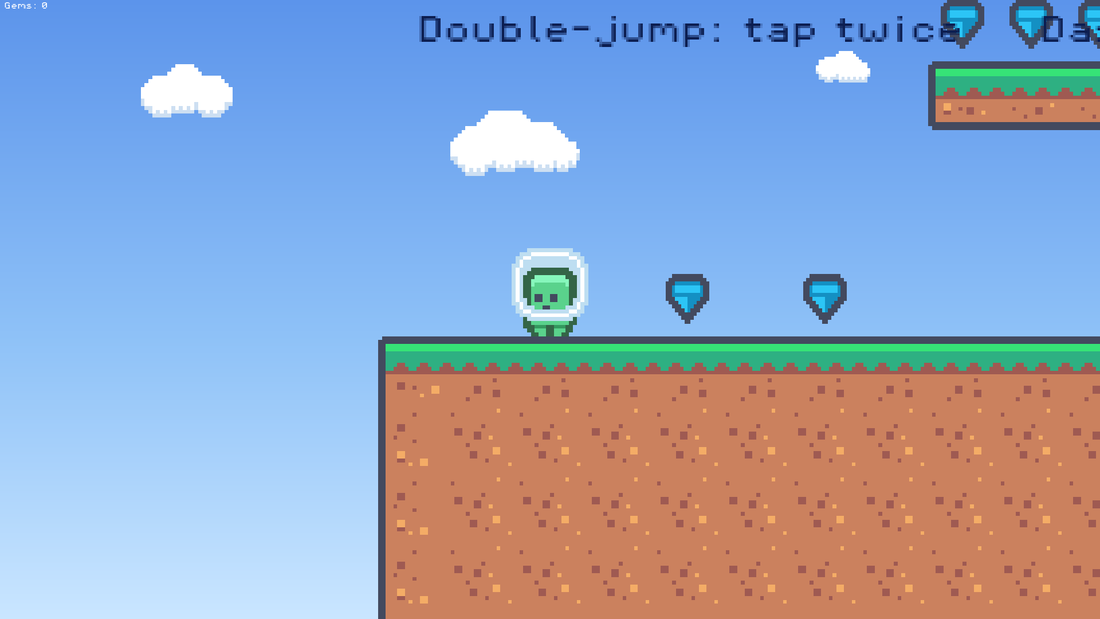
Final result: the finished platformer, every system assembled
Both lead to the same design lessons. Picking one never marks a lesson as done.
Free to start. Membership after the free lessons.
A Godot 4.7 download, free with a free account. Design lesson 1 is free, the rest need membership.
Lesson 1 is free. Membership unlocks the other 7, plus every other quest and campaign.
Membership is US$25 per month or US$200 per year. Eligible new members start with 7 days free. Card required.
0 of 8 lessons completed
Member download: included with Guild Hall membership.
It is the finished project for the whole quest. Use it to compare your work or to recover a broken step.
The same game, grown further: saves and a level map with a gem gate, medals and a ghost of your best run. Then a fifth level with springs, ice and crushers, and a final boss.
Member download: included with Guild Hall membership.
Main, pause and options menus with saved settings, fade transitions and gamepad support. Free to download, MIT licensed, no account needed.
View the free open-source version on GitHub What is in the Menu System projectThe grand assembly. Take the player, the juice, and the traps you built and wire them into one complete, shippable platformer: death and checkpoints, a data-driven goal and level flow, four tilemap levels with a drifting cloud sky, a music autoload that fades and ducks, screen transitions, and a real shell with a main menu, options, pause, and a win screen that ranks your run and leads back to the title. The finished project in the download is your reference; the course's version adds that return to the title.
Finish it, then keep the momentum. Here's the logical next step.
Recommended
Independence Check: prove it in a new system
Take it after you finish. It picks your ideal next step.
Five short tasks in systems you have not seen, using only what the whole campaign taught. No effect on your progress. It shows you what you can already build without a map, and anything you miss turns into a targeted review.
Memberabout 20 min
Ship Your Game: itch.io & Steam
Quest 8 of 9 in the 2D Platformer campaign.
You built a game. Now ship it. This quest works for any finished Godot project. You export desktop and web builds and make the store assets you still need: an icon, covers, screenshots, a GIF and a trailer. You set up a real itch.io page with a playable web build and share the link. That is the required path. An optional Ready to Sell track then covers Steam: the Steamworks account and its $100 fee, the store page, depots, review and wishlists. It ends with the marketing basics that actually work.
First lesson free3-6 hours
2D Platformer: Design the Game
Optional. Not part of your current route. Needs: Code From Zero, or you can already read GDScript.
Start with a platformer that already works and make design decisions in it. Choose how it should feel and compare one setting at a time in a test room. Build a room that teaches one challenge and tempts the player off the safe route. Then give landing, rewards, damage and the exit the right amount of feedback, playtest it, and export a build.
First lesson free2-3 hours
Browse campaigns Submit a build to the Showcase Back to your dashboard








 Godot 4.x

 Skills You'll Walk Away With